5 min read

The Real Cost of Manual Order Processing (and How to Eliminate It)

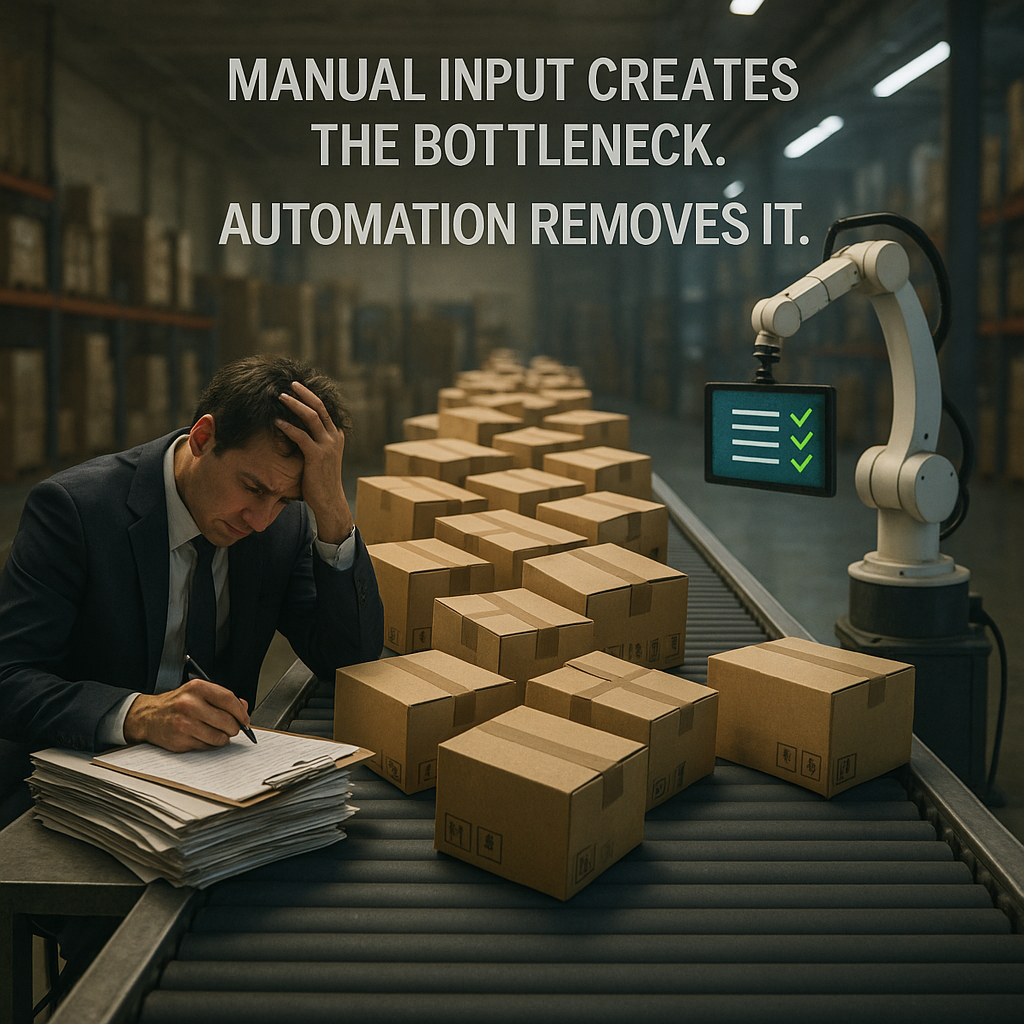
Manual order processing might seem manageable. Until it isn’t. Are you still entering customer orders manually using spreadsheets, emails, or paper forms? That’s not just outdated. It’s risky, inefficient, and costs your business more than you think.

According to McKinsey & Company, businesses can lose 3 to 5% of EBITDA due to broken order-to-cash processes caused by manual workflows and rework. For SMEs and operations teams, that’s a serious hit to margins and momentum.

If you're constantly fixing entry errors, hunting down missing purchase orders, or chasing delayed shipments, you're not alone. This blog will break down the hidden cost of manual order processing, show you the most common failure points, and explain how automation can help you improve accuracy, speed up fulfillment, and scale operations, without burning out your team.


Common Manual Order Processing Errors That Hurt Accuracy and Fulfillment

Manual systems introduce predictable failure points. The more orders you handle, the more these issues multiply. Without automation, human error becomes baked into your order management process. And that’s when profitability starts to suffer.

1. Entry Errors from Manual Input

Most order errors originate from simple mistakes, such as incorrect SKUs, incorrect quantities, or outdated shipping addresses. Manual order entry errors are hard to catch, especially without real-time validation or a centralized order management system. Even a single-digit typo can lead to incorrect orders, returns, and fulfillment delays that frustrate customers and drain resources.

2. Miscommunication Across the Supply Chain

Sales reps, warehouse staff, and billing teams often work in silos, using disconnected tools. Without synchronized order data, roles become blurred and responsibilities become lost. These gaps lead to missed approvals, delayed shipments, and unclear handoffs. The result is slower order processing, more errors in order details, and a worse customer experience that ultimately impacts revenue.

3. Inventory and Stock Level Mismatches

Manual processes like updating inventory spreadsheets or entering stock levels by hand are prone to errors. When your ERP system or warehouse management platform isn’t integrated with order entry, overselling and backorders become common. These mismatches stall fulfillment and increase customer churn, especially during peak seasons when accuracy and efficiency matter most.

4. Fulfillment Errors and Duplicate Orders

Manual routing of purchase orders and order forms increases the risk of fulfillment errors such as duplicate shipments, incorrect items, or missing packages. Without order automation, every step relies on human intervention, which slows down the workflow and leads to costly errors and delays. These mistakes reduce order accuracy, add labor costs, and chip away at both profitability and customer trust.


Why Manual Order Errors Happen in the First Place

Order errors are usually the result of broken processes and outdated tools. When your order management system relies too heavily on manual input, these gaps become recurring problems that hurt fulfillment, accuracy, and profitability: 

Disconnected Systems Create Data Silos

When your ERP, CRM, and warehouse management systems don’t communicate, every team ends up working from separate records. This lack of integration breaks the order-to-cash process, increases the risk of order errors, and slows down order updates. Without order automation, there’s no single source of truth. Just confusion, delays, and costly mistakes.

Human Fatigue and Manual Entry Errors

Order entry is repetitive, detail-heavy work. Staff who manually enter orders are more likely to make errors in data entry, especially during high-volume periods or when juggling multiple systems. Fatigue and cognitive overload lead to picking errors, incorrect quantities, and missed customer instructions, damaging both customer satisfaction and order accuracy.

Outdated Tools and Manual Processes

Spreadsheets, PDFs, and emailed purchase orders might work at a small scale, but they can't handle growing complexity. These tools offer no validation, no automation, and no audit trail. As a result, teams spend more time chasing down order details, correcting data errors, and resolving fulfillment issues, slowing processing time and driving up operational costs.

Lack of Visibility into Every Order

Without a modern order management system or real-time dashboards, managers can’t see where delays, errors, or bottlenecks are occurring. This makes it impossible to identify areas for improvement, reduce manual intervention, or ensure accuracy per order. The result is reactive firefighting, not proactive order management.


Why Automation Reduces Order Errors and Improves Accuracy

If you’re relying on manual processes, errors in order entry aren’t a matter of "if". They’re a matter of "when". Automation eliminates the need for manual data entry, closes visibility gaps, and gives teams the tools to process every order accurately and efficiently.

Real-Time Order Validation at Entry

Automated order management systems validate data the moment it's entered. If a purchase order is missing key details or a quantity exceeds stock, the system flags it instantly. This reduces the risk of human error and ensures order accuracy before fulfillment begins. It's one of the most effective ways to reduce manual errors before they become costly mistakes.

Seamless Integration Across Systems

Modern order automation connects your ERP, CRM, and inventory management systems into one unified workflow. This eliminates double entry, minimizes data mismatches, and ensures every team is working from the same real-time order data. When you eliminate manual handoffs, you eliminate many of the errors that lead to incorrect orders, delayed shipments, and inefficiency.

Streamlined Fulfillment Without Bottlenecks

Automation removes the need for manual intervention at every step of the order-to-cash process. Instead of routing orders through spreadsheets and email threads, orders move from capture to fulfillment automatically. As explained in this guide to automating order processing, automation significantly reduces processing time, lowers the error rate, and gives operations teams the ability to scale without increasing headcount.

A Smarter Path to Accuracy and Efficiency

The right automation tools boost accuracy and speed without overloading your staff. By eliminating manual entry and minimizing the risk of human error, businesses can increase profitability, strengthen customer retention, and deliver a better customer experience per order every time.


What to Look for in an Order Automation Tool That Actually Reduces Errors

Not all automation platforms are built to handle the complexity of real-world order management. If you're serious about reducing manual errors and improving fulfillment accuracy, you need a solution that integrates deeply, validates data at every step, and gives your team full visibility across the order-to-cash process.

Intelligent Order Data Capture

A high-quality system should extract order details from emails, PDFs, or even scanned documents and convert them into clean, structured data. This minimizes manual order entry, reduces the chance of picking errors, and ensures the correct order flows into your fulfillment system every time.

Deep Integration with Core Systems

Look for automation tools that sync directly with your ERP, CRM, and inventory platforms. A truly unified order management system eliminates manual re-entry, connects your warehouse management system, and streamlines operations across departments. This kind of setup is essential for reducing fulfillment errors and maintaining data accuracy.

Built-In Error Detection and Routing

Effective tools flag errors in order details instantly before they reach the warehouse floor. Whether it’s a mismatch in SKUs or invoices that don’t match purchase orders, automated platforms should alert the right team, route exceptions, and prevent the error rate from snowballing. These features are key to eliminating manual order issues before they affect the customer.

Real-Time Visibility and Reporting

Order management often breaks down due to a lack of visibility. The right automation tool provides dashboards and real-time reporting that show open orders, processing times, and problem areas. This allows ops leaders to identify where errors happen, track performance, and make better decisions to reduce manual intervention and improve order accuracy.


How NexDriver Solves Manual Order Processing

NexDriver’s Order Management Module is built to eliminate manual errors, enforce process control, and give operations teams the tools to manage every order accurately and efficiently, from entry to fulfillment.

Automation That Streamlines Execution

NexDriver automates the full order-to-cash workflow, including order capture, validation, task routing, and approvals. This removes the need for manual entry, reduces error rates, and ensures every step follows your defined SOPs. Teams can process more orders, with fewer mistakes, in less time.

Centralized Visibility and Control

With real-time dashboards and analytics, NexDriver gives full visibility into order status, fulfillment progress, revenue, and commissions. Operations managers can track performance across every touchpoint, spot bottlenecks, and make informed decisions without relying on scattered tools or manual updates.

Seamless Integration Across Systems

NexDriver connects natively with your ERP, CRM, inventory, and warehouse management systems. This unified approach eliminates data duplication, prevents billing mismatches, and ensures consistent, accurate information across the entire order management process.

Built for Speed, Accuracy, and Scale

By removing repetitive tasks and standardizing workflows, NexDriver enables businesses to significantly reduce order errors, improve fulfillment speed, and deliver a better customer experience. Whether you're processing simple or complex orders, NexDriver helps you scale with confidence and deliver flawlessly.


Stop Letting Manual Order Errors Drain Your Operations

Manual order processing introduces friction at every stage, from order entry to fulfillment. It slows down your team, increases error rates, and creates costly problems that compound over time.

Automation gives operations leaders the control, speed, and visibility they need to scale effectively. By eliminating repetitive steps and enforcing accuracy, you create a more efficient, more profitable order management process.

See how NexDriver can help you streamline operations and reduce errors. Explore the Order Management Module and take the first step toward smarter, faster fulfillment.

How to Automate Order Processing for Speed, Accuracy, and Scale

How to Automate Order Processing for Speed, Accuracy, and Scale

Are order delays, manual data entry, and fulfillment headaches eating up your workday? If you’re still relying on spreadsheets and disconnected...

Read More
7 Best Practices for an Efficient Order Management System in B2B

4 min read

7 Best Practices for an Efficient Order Management System in B2B

Is your team still relying on manual processes to handle sales orders? As of early 2025, 70% of B2B sales orders are still processed...

Read More
Enhancing B2B Order Management for Buyer Satisfaction

Enhancing B2B Order Management for Buyer Satisfaction

In the realm of B2B eCommerce, the management of orders plays a paramount role in ensuring buyer satisfaction. This article aims to explore means of...

Read More